
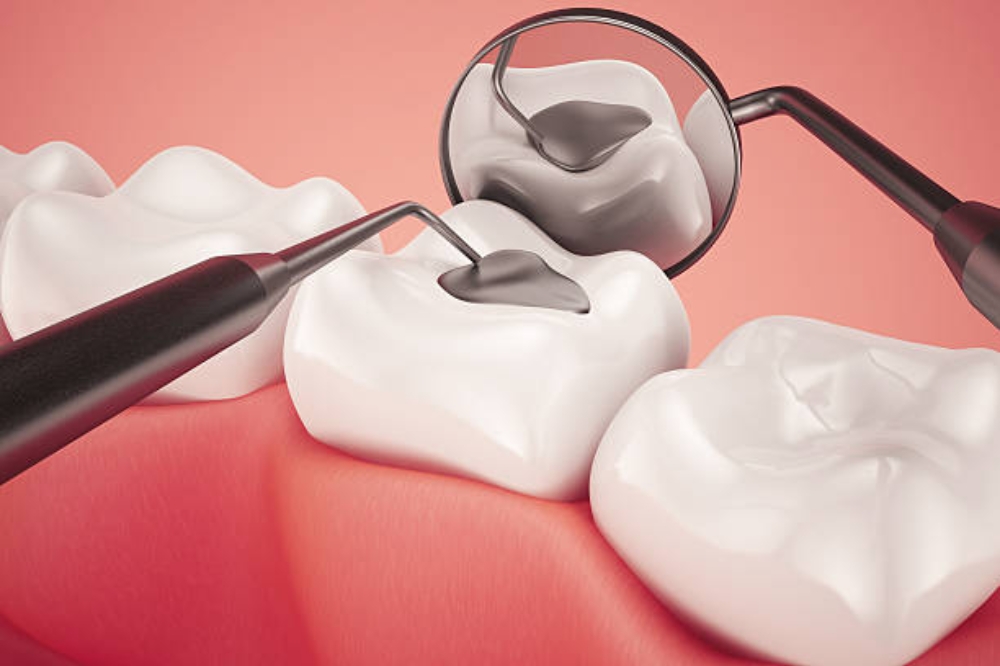
Dental fillings are common solutions for cavities or tooth damage, but they don’t last forever. Sometimes, a filling can become sensitive or even fail over time.
Understanding dental fillings near you, their lifespan, and warning signs can help you take action early and prevent further complications.
Rather than waiting for pain to appear, paying attention to subtle changes in your teeth can allow for a more preventive approach.
This helps keep your teeth healthy and avoids bigger dental problems down the line.
What Causes Sensitivity After a Dental Filling?
It’s normal for a tooth to feel a little sensitive after a filling. This lasts a few days to a couple of weeks as your tooth adjusts. There are some common reasons for temporary sensitivity, which include the following:
- Irritation of the nerve during the filling process
- Bite adjustment issues, where the filling slightly changes how your teeth meet
- Temperature sensitivity, especially to hot or cold foods
Most sensitivity resolves on its own, but persistent discomfort could indicate a problem that needs attention from your dentist in Camarillo.
How Long Do Dental Fillings Last?
The lifespan of a filling depends on several factors:
- Material type – Composite (tooth-colored) fillings generally last 5–7 years, while amalgam (silver) fillings can last 10–15 years.
- Tooth location – Molars experience more chewing pressure, so fillings there may wear faster.
- Oral habits – Teeth grinding, nail-biting, or chewing hard foods can shorten a filling’s lifespan.
- Oral hygiene – Proper brushing, flossing, and routine checkups help maintain fillings longer.
Understanding the above factors will help set the right expectations for how long your dental work will last.
What are the Signs a Filling Needs Replacement
A filling isn’t meant to last forever. Here are common signs a filling needs replacement:
- Persistent sensitivity to hot, cold, or sweet foods
- Pain when biting down or chewing
- Visible cracks, chips, or worn areas on the filling
- Darkening or discoloration around the edges
- Small gaps between the filling and the tooth
If you notice any of these issues, it’s best to consult your dentist near you promptly to prevent further damage or decay.
What to Do If Your Filling Feels Sensitive
If you experience sensitivity after a dental filling, you can manage it at home while scheduling a dental visit:
- Avoid extremely hot, cold, or sticky foods
- Use toothpaste for sensitive teeth
- Maintain good oral hygiene, but brush gently around the affected tooth
- Schedule an evaluation with your dentist to rule out underlying problems
Addressing sensitivity early can prevent more serious issues like infection or the need for a crown or root canal.
How Dentists Evaluate Fillings
During a checkup, your dental fillings in Camarillo are examined for signs of wear, cracks, or gaps. Dentists may:
- Tap or apply pressure to test for pain
- Use X-rays to check for decay under or around the filling
- Evaluate bite alignment to ensure no excessive pressure is applied
Early detection allows for simple repairs or replacement, often before more extensive treatment is needed.
Preventive Tips to Help Your Fillings Last Longer
You can help your fillings last longer by:
- Brushing twice daily with fluoride toothpaste
- Flossing to remove plaque and prevent decay around fillings
- Avoiding hard foods that could crack fillings
- Wearing a nightguard if you grind your teeth
- Attending regular dental checkups to monitor your fillings
Preventive care is key to avoiding complications and keeping your teeth strong.
Knowing When to Schedule a Visit
If your filling is causing persistent sensitivity or you notice cracks or gaps, don’t wait.
Timely evaluation by a professional can prevent further decay, pain, or more extensive dental procedures.
For those looking for dental fillings near you, The Center for Dental Wellness at Camarillo offers personalized care and evaluations. Our team can replace fillings when needed while also helping you maintain overall oral health.
📍 Find us easily on the Google map and plan your visit today!
FAQs
Q1.How long should a dental filling last?
The longevity of your dental fillings depends on both the material used and the location, but most of these fillings will last from 5 years to 15 years, depending on how you care for them.
Q2.Why does my filling hurt when I bite?
This could be due to a high filling, a cracked tooth, or decay under the filling. A dentist can adjust or replace it.
Q3.Can a filling fall out on its own?
Yes, fillings can come loose over time, especially if they are old, worn, or if you chew hard foods.
Q4.Is sensitivity after a filling normal?
Mild sensitivity is normal for a short time, but persistent pain may indicate a problem needing dental attention.
Q5.Can I prevent my fillings from failing?
Good oral hygiene, avoiding hard foods, and regular dental checkups all help extend the life of your fillings.